
Animal Help and Advice
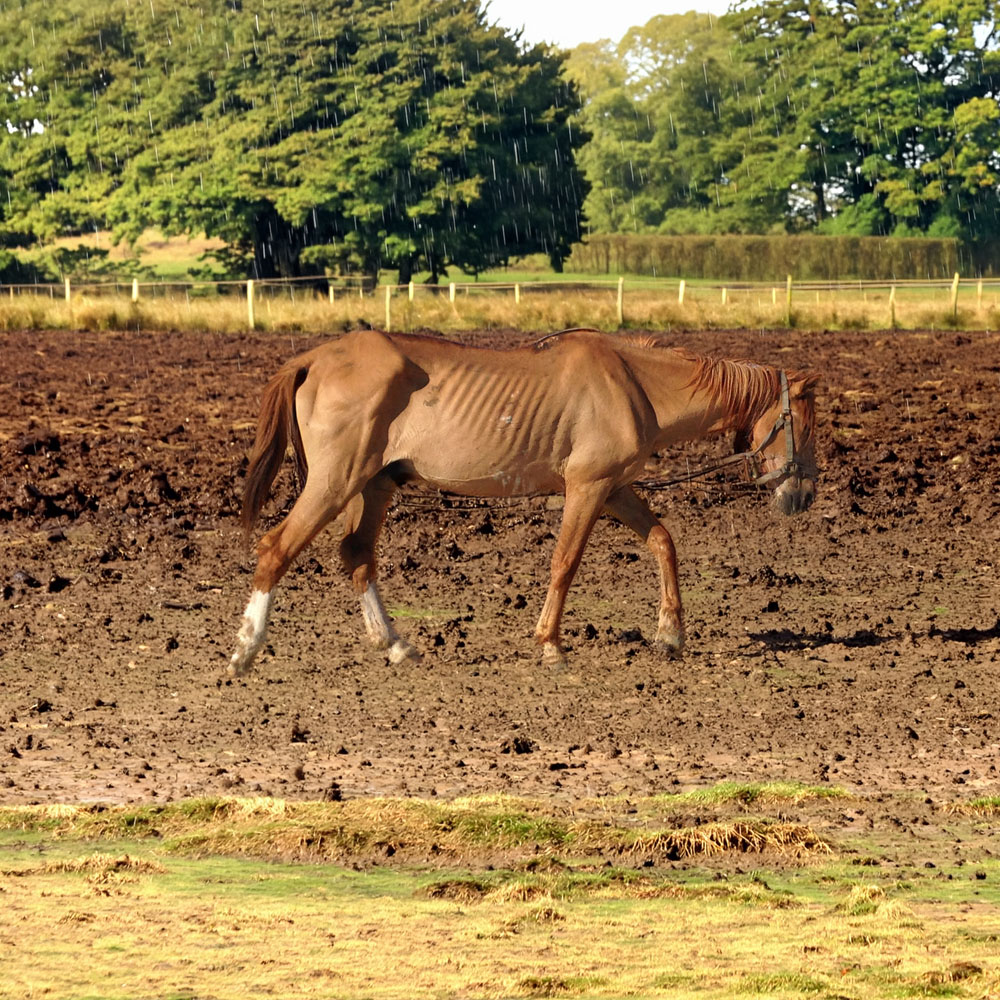
If you are worried that an animal is being neglected, abused, abandoned, or kept in unsafe conditions, it is important to act quickly and responsibly. Across the UK, thousands of animals each year suffer from neglect caused by lack of food, water, shelter, veterinary care, or proper living conditions. Animals may also become trapped, injured, or abandoned outdoors without anyone noticing. Reporting concerns can help prevent prolonged suffering and may save an animal’s life.
Signs of animal neglect or cruelty can include:
- Animals that appear extremely thin, weak, or dehydrated
- Untreated injuries, limping, bleeding, or visible illness
- Animals left outside for long periods without shelter, shade, or water
- Dirty, overcrowded, or dangerous living environments
- Excessive tethering or confinement in small spaces
- Repeated signs of fear, distress, or aggression caused by mistreatment
- Animals left alone for long periods without proper care
- Trapped wildlife or animals unable to move safely
If you find an animal that is sick, injured, trapped, or in immediate danger, do not put yourself at risk trying to help if specialist equipment or training may be needed. Some animals may be frightened, injured, or defensive, and certain situations — such as animals trapped in water, traffic, fencing, or dangerous locations — are safer for trained rescuers to handle.
If it is safe to do so, you can still help by:
- Observing the animal carefully from a safe distance
- Noting the exact location and condition of the animal
- Taking photographs or videos if appropriate
- Recording dates, times, and any repeated concerns
- Providing temporary water or shelter only if it is safe and practical
- Contacting a recognised animal welfare organisation for advice or emergency assistance
In the UK, concerns about animal cruelty or neglect can be reported to organisations such as RSPCA, local councils, wildlife rescue groups, or veterinary professionals depending on the situation. In Scotland, cases are commonly handled by Scottish SPCA. If an animal’s life is in immediate danger or a crime is taking place, contacting the police may also be appropriate.
Even if you are unsure whether a situation counts as neglect, it is usually better to report your concerns and allow trained inspectors or rescue teams to assess the situation. Early intervention can prevent suffering and ensure animals receive the care, treatment, and protection they need.

We are affiliated to the RSPCA name but we are a independent committee run branch that relies on the support and the donations of the public to perform the work we do for all animals in our area.